





 0
0
 0
0
The Enduring Power of SWOT: Why Modern Brands Still Rely on This Classic Framework
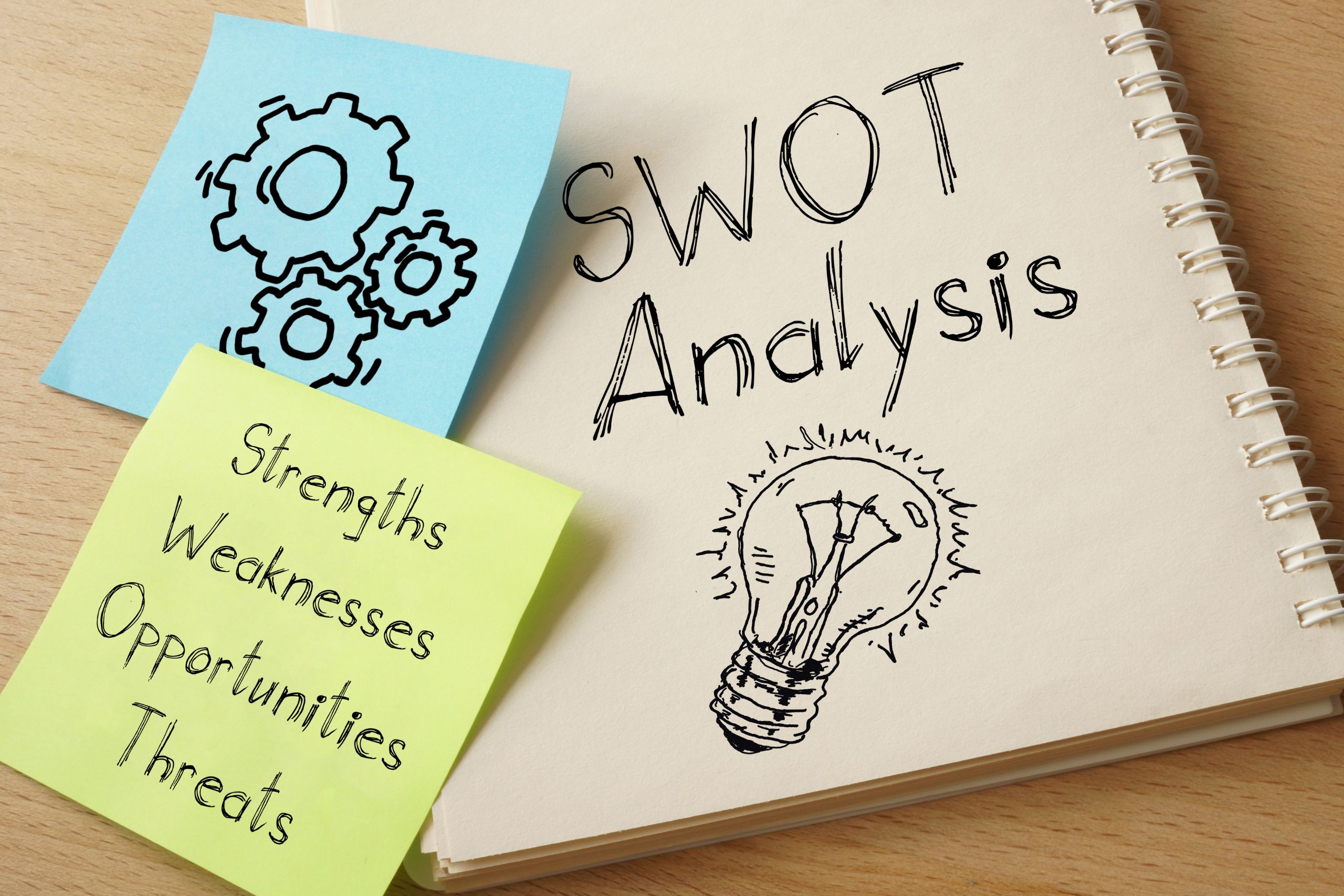
In an era defined by fast-moving digital trends, shifting consumer expectations, and new competitive pressures, companies continue to rely on the SWOT framework to guide clear, strategic decision-making. SWOT—Strengths, Weaknesses, Opportunities, and Threats—remains one of the most widely used tools in marketing because it allows brands to assess themselves honestly while evaluating external forces shaping their industries. As marketing landscapes evolve with social media influence, data-driven insights, and heightened customer awareness, businesses increasingly depend on structured evaluations to navigate noise and uncertainty. The simplicity of SWOT is what makes it powerful; it organizes complex information into a format that encourages clarity, reflection, and purposeful planning. For both emerging brands and established market leaders, SWOT remains a foundation for building strategies that align with long-term goals. By understanding its relevance in a modern context, companies gain a stronger ability to adjust, innovate, and compete in a marketplace that rewards adaptability.
Understanding Strengths: How Brands Identify Their Competitive Edge
The first component of SWOT—Strengths—invites brands to examine what they do exceptionally well. Identifying strengths is more than recognizing high-performing products; it involves understanding internal attributes that contribute to brand identity, industry influence, and customer loyalty. These strengths may include distinct product quality, effective leadership, advanced technology, or a loyal customer base built over years of consistent performance. Brands must also consider operational strengths such as efficient supply chains, skilled teams, or proprietary systems that give them advantages competitors cannot easily replicate. This internal clarity shapes stronger messaging and sharper positioning within crowded markets.
Strength assessments also highlight what makes a brand resilient. For example, companies with strong digital adaptability or authentic storytelling capabilities often stand out in modern consumer environments. This coverage naturally incorporates the category keyword: organizations committed to strategic brand development in modern marketing understand that strengths must be identified accurately before they can be leveraged effectively. By defining what already works, brands gain confidence to expand, differentiate, or build campaigns rooted in proven value. Strengths form the foundation upon which all other marketing decisions rest, making this stage essential for long-term success.
Weaknesses: The Importance of Honest Evaluation in Sustainable Growth
If strengths fuel confidence, weaknesses cultivate humility—and both are equally necessary for strategic progress. Modern brands recognize that acknowledging weaknesses does not signal failure but rather demonstrates maturity and preparedness. Weaknesses may involve outdated technology, gaps in customer service, inconsistent brand messaging, or limited resources. Without identifying these vulnerabilities, companies struggle to adapt when facing external challenges. A clear understanding of weaknesses enables brands to prioritize improvements, allocate resources efficiently, and prevent small issues from becoming larger obstacles.
The digital age has intensified the impact of weaknesses because consumers now evaluate brands through transparent online environments. Poor reviews, slow response times, or unclear communication can quickly shape public perception. By addressing internal deficiencies early, brands reduce the risk of reputational damage and improve overall performance. Honest evaluation also encourages collaboration across departments, helping teams align on solutions rather than working in silos. Through continuous improvement, brands develop a more stable foundation for marketing strategies that reflect reliability, clarity, and long-term customer trust.
Opportunities: How Brands Identify Growth Potential in a Competitive Marketplace
Opportunities represent external conditions that companies can leverage to enhance growth. These may arise from changing consumer trends, emerging technologies, market gaps, or shifts in cultural behavior. Modern brands analyze opportunities through data-driven insights, competitor monitoring, and social listening to identify where demand is heading. For instance, the rise of short-form video content, sustainable product preferences, or AI-driven personalization creates openings for brands that move quickly and strategically. Recognizing opportunities allows companies to innovate, diversify, or strengthen their market presence with intention.
Brands also consider opportunities beyond immediate trends. New geographical markets, partnerships, and evolving customer lifestyles can inspire long-term strategy. The homepage keyword enters naturally here: brands seeking comprehensive insights for mindful readership understand that opportunities emerge when awareness meets intentional observation. By remaining curious and attentive to external developments, companies discover new ways to expand their reach while aligning with consumer values. Opportunities encourage brands to step beyond routine operations and explore possibilities that elevate their relevance in a dynamic environment.
Threats: Navigating Risks in a Rapidly Changing Marketing Landscape
Threats represent external challenges that could disrupt growth or stability. These may include emerging competitors, economic fluctuations, supply chain issues, regulatory changes, or evolving customer expectations. Modern brands must remain vigilant in monitoring these threats because they often develop quickly in digital markets. A competitor’s sudden rise, a shift in platform algorithms, or a cultural trend can significantly impact brand visibility. By acknowledging threats early, companies can adjust strategies, strengthen resilience, and prevent negative outcomes.
Threat assessments also help brands prepare contingency plans. For example, businesses that rely heavily on a single advertising platform may diversify their channels to reduce risk. Those concerned about market saturation may explore niche audiences or develop alternative offerings. Understanding threats creates space for strategic foresight, enabling brands to anticipate challenges rather than respond reactively. In today’s competitive climate, the brands that survive are not those that ignore threats but those that build adaptable frameworks capable of weathering unpredictability.
Applying SWOT to Build Clearer, Smarter, and More Sustainable Marketing Strategies
When used effectively, SWOT becomes more than an analytical tool—it becomes a strategic compass guiding brands through decision-making processes. By combining the four components, companies gain a holistic view of their position in the marketplace. Strengths help define what to amplify, weaknesses clarify what to improve, opportunities show where to invest, and threats highlight what to protect against. This combination supports smart, data-backed marketing decisions that align with business goals and customer expectations. Brands that revisit their SWOT analysis regularly remain more agile and responsive as market conditions evolve.
SWOT also strengthens internal communication. When teams share a unified understanding of the company’s position, they collaborate more effectively on campaigns and long-term strategies. This alignment builds consistency across branding, messaging, and customer experience—factors that heavily influence modern consumer behavior. Ultimately, SWOT remains popular because it adapts to every industry, brand size, and stage of growth. It encourages reflection, provides clarity, and supports strategies rooted in both awareness and ambition.
Conclusion
The continued relevance of SWOT in modern marketing illustrates how timeless frameworks can guide brands through evolving landscapes. Its strength lies in its simplicity, yet its impact emerges through thoughtful application. By examining strengths, brands uncover what sets them apart; by acknowledging weaknesses, they gain direction for improvement. Opportunities reveal pathways for expansion, while threats highlight areas requiring caution. Together, these insights shape strategies that are both practical and visionary. In a world where consumer preferences shift quickly and competition intensifies, SWOT offers brands an anchor—helping them stay grounded while pursuing innovation. As brands refine their marketing approaches, this framework equips them with clarity, resilience, and purpose. Through careful analysis and ongoing reflection, companies transform SWOT from a basic exercise into a vital tool for long-term strategic success, proving its value in both traditional and digital environments.


