





 0
0
 0
0
A Transportation Revolution Accelerates: Why Electric Cars Define the Future of Mobility
Electric vehicles have moved far beyond niche status, becoming central to global conversations about sustainability, technology, and the future of mobility. What once seemed experimental now stands at the forefront of modern transportation, driven by rapid advancements in battery efficiency, affordability, and charging infrastructure. In 2025, electric cars are no longer viewed simply as alternatives to traditional engines; they represent a transformative shift in how societies travel, consume energy, and prioritize environmental responsibility. Governments continue to introduce incentives, manufacturers push boundaries in design and performance, and consumers increasingly recognize the long-term value of clean transportation. This momentum marks the beginning of a new era in which electric mobility integrates seamlessly into daily life. As innovation grows, electric vehicles promise not only reduced emissions but a reimagined transportation landscape shaped by intelligence, connectivity, and sustainable development. This article explores how electric cars are reshaping the modern world and what lies ahead for drivers, communities, and industries adapting to this powerful technological evolution.
Breakthrough Battery Technology: The Driving Force Behind EV Progress
Battery technology remains the heart of electric vehicle innovation. Recent advancements have dramatically improved energy density, charging speed, and overall lifespan, allowing EVs to travel longer distances with greater efficiency. Solid-state batteries, once considered futuristic, are now entering production phases, offering enhanced safety and remarkable performance improvements over traditional lithium-ion systems. These breakthroughs reduce charging times, increase range reliability, and pave the way for more compact vehicle designs. The shift toward sustainable materials and responsible sourcing has also strengthened the ethical foundation of battery manufacturing.
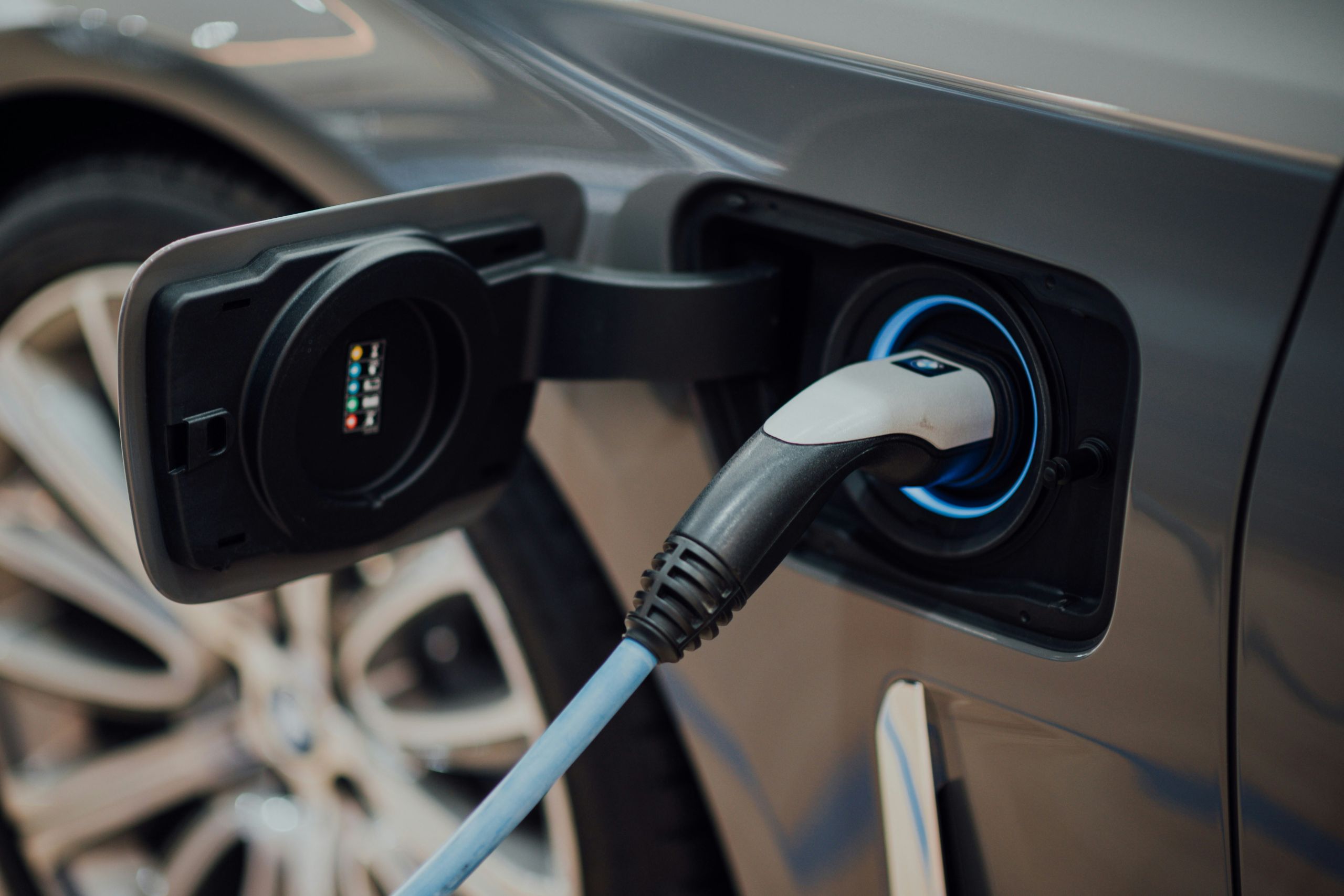
Fast-charging networks continue to expand globally, transforming the feasibility of long-distance EV travel. Charging stations are becoming as accessible as traditional fuel pumps, thanks to widespread investment from governments and private companies. This section naturally incorporates the category keyword: the rapid development of innovative advancements in modern electric vehicles demonstrates how battery technology shapes both consumer confidence and industry momentum. As batteries become more durable, affordable, and environmentally conscious, they lay the foundation for a transportation system built on long-term stability and efficiency.
Smart Features and Connectivity: Transforming Cars Into Intelligent Mobility Tools
Electric vehicles are increasingly defined by intelligent software rather than mechanical components alone. Modern EVs integrate advanced driver-assistance systems, real-time diagnostics, and adaptive interfaces that learn driver preferences. Over-the-air updates enable continuous improvements, allowing manufacturers to introduce new features, optimize performance, and patch vulnerabilities without requiring physical service visits. This digital capability sets EVs apart from gasoline vehicles and positions them as long-term technological investments.
Connectivity extends beyond the car itself. Smart charging systems communicate with the power grid to optimize energy usage, reduce peak load consumption, and integrate renewable energy sources when available. Vehicle-to-home and vehicle-to-grid technologies further enhance functionality by allowing cars to store and return energy during power shortages or high-demand periods. As these intelligent features become mainstream, electric vehicles evolve into dynamic components of a broader technology ecosystem. Their role expands beyond transportation, contributing to smarter homes, smarter cities, and more resilient energy systems.
Environmental Impact and Sustainability: Why EV Adoption Matters More Than Ever
The environmental benefits of electric cars remain one of their strongest selling points. As climate concerns intensify, societies increasingly look to transportation as an area where meaningful change can occur quickly. Electric vehicles produce zero tailpipe emissions, contributing to cleaner air and healthier communities. When paired with renewable energy sources, their overall carbon footprint decreases even further. Governments worldwide now implement aggressive policies to encourage EV adoption, including tax incentives, emissions restrictions, and expanded infrastructure investments.
Sustainability efforts also shape EV manufacturing. Automakers are adopting recycled materials, reducing production waste, and designing components that can be reused or repurposed. Battery recycling programs are improving rapidly, allowing valuable materials to be recovered for future production. These initiatives demonstrate a global commitment to circular economy principles that extend beyond vehicle use. In this coverage, the homepage keyword appears naturally: increasing environmental awareness aligns with forward-thinking insights for everyday readers, highlighting how sustainable transportation supports long-term ecological balance. Together, cleaner energy and responsible production practices reinforce the value of electric vehicles as a cornerstone of climate-conscious living.
Economic Shifts: How the EV Movement Is Redefining Industries and Consumer Behavior
The rise of electric cars is reshaping economies on multiple levels. Traditional automotive manufacturers are investing heavily in electrification, retooling factories, retraining workforces, and forming strategic partnerships with technology companies. These transitions create new opportunities in engineering, software development, and battery research. Meanwhile, fuel industries face declining demand, prompting diversification into renewable energy and electric charging infrastructure. The economic ripple effect extends globally, influencing supply chains, trade patterns, and labor markets.
Consumers are also reevaluating long-term vehicle costs. Although EVs may have higher upfront prices, reduced maintenance needs and lower energy expenses make them increasingly attractive over time. Governments enhance this appeal through subsidies, reduced road taxes, and incentives for residential charging stations. Public opinion continues to shift as drivers experience smoother performance, quieter cabins, and reliable range capabilities. As more people adopt electric vehicles, demand for charging accessibility grows, fostering innovation in both public and private sectors. These economic changes illustrate how EV adoption is not merely technological—it is reshaping global financial landscapes.
Challenges and Opportunities: What the Future Holds for Electric Transportation
Despite significant progress, challenges remain on the road to universal EV adoption. Charging infrastructure, while expanding quickly, still needs to reach underserved regions. Battery production requires long-term sustainable resource management, and affordability remains a barrier for certain markets. However, these obstacles present opportunities for innovation. Companies are exploring modular charging solutions, battery swapping systems, and alternative energy sources that can power vehicles more efficiently. Governments and private sectors are working together to build cohesive transportation networks that integrate electric mobility into everyday life.
Future developments may include autonomous EV fleets, expanded vehicle-to-grid applications, and ultra-fast charging technologies that reduce wait times dramatically. As software and hardware continue to merge, electric vehicles will likely become central components of intelligent urban planning and green infrastructure. Rather than viewing these challenges as limitations, industry leaders see them as catalysts for continued growth and refinement. The future of electric transportation promises a dynamic evolution shaped by collaboration, creativity, and long-term vision.
Conclusion
The rise of electric cars represents one of the most transformative shifts in modern transportation, driven by advancements that extend far beyond vehicle performance. From powerful new battery technologies to integrated smart systems, electric vehicles embody the future of mobility in a world increasingly focused on sustainability and innovation. Their impact reaches into environmental policy, economic development, and everyday consumer behavior, signaling a major cultural and industrial transition. Although challenges remain, the progress made up to 2025 demonstrates how far the EV movement has come—and how much potential it still holds. With continued investment, thoughtful planning, and global collaboration, electric vehicles will shape a transportation landscape defined by cleaner energy, intelligent design, and long-term resilience. As drivers and communities embrace this evolution, electric cars will continue to guide societies toward cleaner, smarter, and more connected futures.


